The Physician’s Guide to Portland’s Suburbs (Updated July 2026)
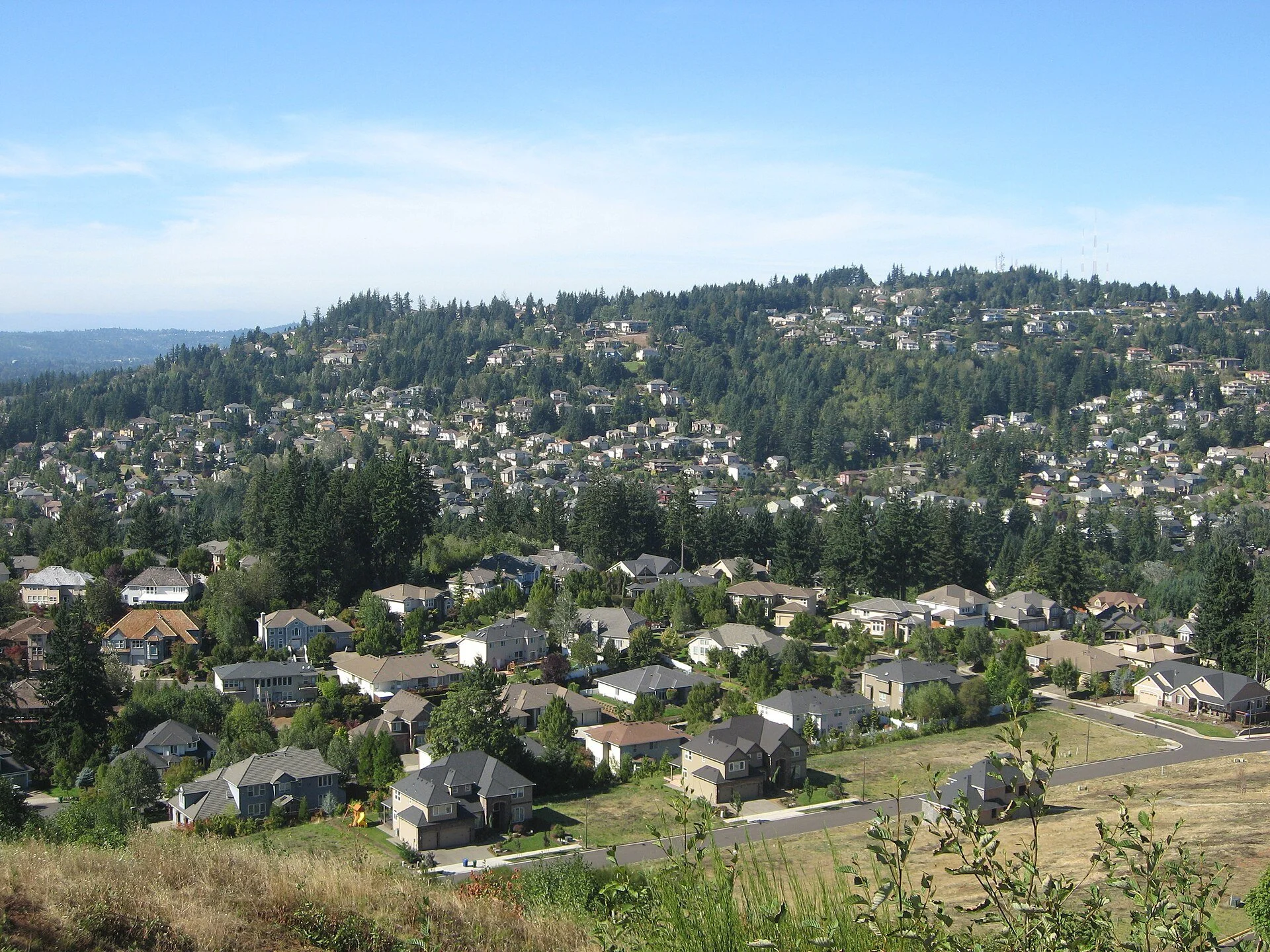

(This blog post has been updated as of July 2026)
For physicians relocating to Portland—or already living here and considering a move—the suburbs can offer more housing options, newer construction, larger lots, and a different pace of life than Portland’s close-in neighborhoods. The tradeoff is often the commute.
A suburb that works well for someone at Providence St. Vincent may be inconvenient for a physician working at Adventist Health Portland. Someone commuting to Legacy Meridian Park will evaluate Wilsonville very differently from someone traveling to OHSU’s Marquam Hill campus.
This guide compares Portland’s major suburbs from the perspective of housing, transportation, hospital access, and everyday practicality. If you are still deciding whether suburban or city living is right for you, begin with my guide to choosing the right Portland neighborhood or suburb.
🚗 Understanding Portland Suburban Commutes
Portland commute times depend on more than mileage. Rivers, bridges, hills, and a relatively small number of major routes can make two similarly distant locations feel very different.
Before choosing a suburb, consider:
Your primary hospital or clinic
Whether you work on conventional or irregular shifts
How frequently you are on call
Whether another household member commutes elsewhere
Whether you prefer driving or want access to public transportation
How much commute variability you can tolerate
Whether additional housing space is worth more time in the car
🌊 Lake Oswego
Housing: Established detached homes, condominiums, lake-area properties, and newer construction
Relevant hospitals: OHSU and Legacy Meridian Park
Approximate OHSU commute: Around 15–30 minutes, depending on the property, route, and traffic
Primary advantage: Strong access to Southwest Portland with a distinct downtown center
Principal tradeoff: Higher housing costs and route-dependent commute times
Lake Oswego is one of the most recognizable Portland suburbs. Its housing ranges from condominiums and smaller established homes to larger properties and lakefront residences.
Downtown Lake Oswego includes restaurants, shops, parks, and community amenities. Other parts of the city are more residential and may require driving for daily errands.
For physicians working at OHSU, the commute can be manageable from many Lake Oswego addresses, particularly outside conventional peak traffic. Highway 43 provides one route toward Portland, while Interstate 5 may be more practical from other parts of the city.
Legacy Meridian Park is also relatively accessible, particularly from southern and western Lake Oswego.
The important consideration is that “Lake Oswego” covers more than one commute pattern. A property near downtown may provide a significantly different OHSU route from one near Stafford, Westlake, or the southern edge of the city.
Buyers evaluating schools should verify the assigned district and individual schools for each address. School boundaries do not always align perfectly with mailing addresses or municipal boundaries.
See my Portland-area school district guide for additional context.
🌄 West Linn
Housing: Established subdivisions, hillside homes, river-area properties, and newer development
Relevant hospitals: OHSU, Legacy Meridian Park, and Providence Willamette Falls
Approximate OHSU commute: Around 25–40 minutes, with substantial peak-hour variation
Primary advantage: Varied housing in a scenic setting
Principal tradeoff: Dependence on Highway 43 or Interstate 205
West Linn occupies a hillside setting between the Willamette and Tualatin rivers. Housing includes established subdivisions, larger hillside properties, newer homes, and residences near the historic Willamette district.
The city can appeal to buyers who want more space while remaining within the southern Portland metropolitan area.For OHSU physicians, the commute deserves careful testing. Highway 43 provides a relatively direct geographic route, but traffic and road conditions can affect predictability. Depending on the property, Interstate 205 and Interstate 5 may provide an alternative.
West Linn can also work for households balancing access to Legacy Meridian Park or Providence Willamette Falls.
The tradeoff is that the city’s hills, river crossings, and limited primary routes can create more commute variability than the mileage suggests.
💼 Beaverton
Housing: Condominiums, townhomes, mid-century homes, subdivisions, and newer construction
Relevant hospitals: Providence St. Vincent and westside clinics
Approximate St. Vincent commute: Around 10–20 minutes from many central Beaverton addresses
Primary advantage: Extensive housing variety and westside employment access
Principal tradeoff: Beaverton is geographically large, so commute experiences vary considerably
Beaverton is one of the Portland area’s largest and most varied suburbs. It includes urbanizing areas near MAX stations, established mid-century neighborhoods, newer subdivisions, condominiums, and townhomes.
It is particularly convenient for Providence St. Vincent Medical Center and can also work well for households balancing healthcare and technology-sector employment.Beaverton is served by multiple MAX stations, buses, and major roads, giving some residents alternatives to driving. However, transit convenience depends heavily on the specific neighborhood.
For OHSU, the commute from Beaverton may range from approximately 20–35 minutes under many conditions, with longer travel during heavy traffic. Highway 26 is usually the most consequential factor.
Because Beaverton covers such a large area, buyers should compare specific communities rather than treating the entire city as one housing market.
🌲 Bethany
Housing: Newer detached homes, townhomes, and planned residential development
Relevant hospitals: Providence St. Vincent
Approximate St. Vincent commute: Around 15–25 minutes
Primary advantage: Newer housing with access to westside employment centers
Principal tradeoff: Limited direct freeway access from some locations
Bethany is located northwest of central Beaverton in unincorporated Washington County. Much of its housing is newer than the housing stock found in Portland’s close-in neighborhoods.
Properties include detached homes, townhomes, and planned developments with trails and neighborhood commercial centers.
Bethany can be practical for Providence St. Vincent physicians and for dual-career households with another worker employed in Washington County.The tradeoff is transportation. Bethany does not have immediate freeway access, and local roads can become congested during peak periods. The OHSU commute may range from approximately 25–45 minutes depending on the route and schedule.
Buyers should also verify the city, county, school district, and service jurisdictions attached to each property because a Portland or Beaverton mailing address does not necessarily mean the home is inside that city.
🛍️ Tigard
Housing: Established homes, condominiums, townhomes, and newer development
Relevant hospitals: Legacy Meridian Park and OHSU
Approximate Meridian Park commute: Around 10–20 minutes
Primary advantage: Central Southwest Portland-area location
Principal tradeoff: Congestion around Interstate 5, Highway 217, and major local roads
Tigard occupies a central position between Portland, Beaverton, Lake Oswego, and Tualatin. This can make it practical for households with different employment destinations.
Housing includes older established neighborhoods, subdivisions, townhomes, condominiums, and newer development near the city’s outer edges.
Legacy Meridian Park is relatively accessible from much of Tigard. OHSU may be approximately 20–35 minutes away, although congestion can significantly affect the trip.
Tigard’s primary advantage is geographic flexibility. Its disadvantage is that several major roads and interchanges can become congested at the same time.
Buyers should test both their work commute and routine trips to shopping, schools, childcare, or another household member’s workplace.
🌳 Tualatin
Housing: Established subdivisions, townhomes, condominiums, and planned communities
Relevant hospital: Legacy Meridian Park
Approximate Meridian Park commute: Around 5–15 minutes
Primary advantage: Excellent access to Meridian Park and Interstate 5
Principal tradeoff: Longer commute to Portland’s central hospitals
Tualatin is one of the most convenient suburbs for physicians working at Legacy Meridian Park. Many residential areas are within a relatively short drive of the medical center.
The city includes established neighborhoods, planned developments, condominiums, townhomes, parks, shopping, and access to the Tualatin River.
Interstate 5 provides access toward Portland and Wilsonville, although congestion can create substantial variability during conventional commute periods.
For OHSU, travel may take approximately 25–40 minutes depending on the property and traffic. Tualatin is therefore likely to be more compelling for someone at Meridian Park than someone who needs the shortest possible Marquam Hill commute.
🌿 Sherwood
Housing: Newer subdivisions, established neighborhoods, townhomes, and semi-rural properties near the city’s edges
Relevant hospital: Legacy Meridian Park
Approximate Meridian Park commute: Around 15–25 minutes
Primary advantage: Newer housing and proximity to wine-country communities
Principal tradeoff: Longer and less predictable access to central Portland
Sherwood is located southwest of Tigard and Tualatin. It includes a historic Old Town, newer residential development, parks, and access toward Oregon wine country.
Housing ranges from established properties to relatively recent subdivisions and larger parcels near the surrounding rural areas.
Sherwood can work well for Legacy Meridian Park physicians who prioritize newer housing or additional space. The commute to OHSU or central Portland is more substantial and often depends on Highway 99W, which can become congested.
OHSU travel may range from approximately 30–50 minutes, making schedule and call requirements particularly important.
Buyers interested in newer housing can also explore my guide to the best Portland suburbs for new construction.
🏢 Wilsonville
Housing: Planned communities, townhomes, condominiums, and newer detached homes
Relevant hospital: Legacy Meridian Park
Approximate Meridian Park commute: Around 15–25 minutes
Primary advantage: Newer development and direct Interstate 5 access
Principal tradeoff: Distance from OHSU and Portland’s central hospitals
Wilsonville is located at the southern edge of the Portland metropolitan area. It includes planned communities, newer subdivisions, townhomes, apartments, business parks, and recreational areas along the Willamette River.
Its Interstate 5 location can be convenient for Legacy Meridian Park, employers in the southern metro, and households traveling regularly toward Salem.
The OHSU commute may take approximately 35–50 minutes and can be longer during heavy traffic. Wilsonville is therefore generally better aligned with Meridian Park or southern employment than with daily travel to Marquam Hill.
Buyers should also consider whether they want a stronger connection to Portland’s urban amenities or prefer Wilsonville’s more self-contained suburban environment.
🌐 Hillsboro
Housing: Historic homes, subdivisions, condominiums, townhomes, and extensive newer construction
Relevant hospitals: Hillsboro Medical Center, westside clinics, and Providence St. Vincent
Approximate St. Vincent commute: Around 20–35 minutes
Primary advantage: Wide housing selection and access to the technology corridor
Principal tradeoff: Distance from central Portland and OHSU
Hillsboro is a large and diverse city with several distinct housing environments. Downtown Hillsboro includes older homes and a traditional street grid, while other parts of the city contain subdivisions, apartments, townhomes, and newer planned development.
The city is served by the MAX Blue Line, although travel times to central Portland are longer than from Beaverton.
Hillsboro may be especially practical for a household in which one person works in healthcare and another works in the westside technology corridor.Providence St. Vincent may be approximately 20–35 minutes away, depending on the property. OHSU may require 35–55 minutes or more during heavy traffic.
🏔️ Happy Valley
Housing: Newer detached homes, subdivisions, townhomes, and hillside properties
Relevant hospital: Adventist Health Portland
Approximate Adventist commute: Around 10–20 minutes
Primary advantage: Significant newer housing inventory
Principal tradeoff: Interstate 205 and local-road congestion
Happy Valley is one of the Portland area’s major centers for newer residential construction. Housing includes recent subdivisions, townhomes, larger detached homes, and hillside properties.
It is particularly relevant for physicians at Adventist Health Portland. Depending on the exact address, the hospital may be reached without traveling through central Portland.
The city’s growth has also brought expanded shopping and services, but traffic infrastructure has had to accommodate rapid development. Interstate 205 and major local routes can become congested.
For a closer comparison, see my guide to neighborhoods near Adventist Health Portland.
🌺 Oregon City
Housing: Historic homes, established subdivisions, newer construction, and properties near less-developed areas
Relevant hospital: Providence Willamette Falls Medical Center
Approximate Willamette Falls commute: Around 5–15 minutes from many Oregon City locations
Primary advantage: Immediate access to Willamette Falls Medical Center and varied housing
Principal tradeoff: Distance from central Portland hospitals
Oregon City sits near the convergence of the Willamette and Clackamas rivers and includes a historic downtown, established neighborhoods, newer subdivisions, and properties near the edge of the metropolitan area.
It is the clearest suburban choice for someone working primarily at Providence Willamette Falls Medical Center.
Travel to OHSU may take approximately 30–45 minutes, with longer trips during congestion. Adventist Health Portland may be more accessible from northern Oregon City addresses.
The city’s elevation changes and varied development patterns mean that two properties within Oregon City can offer very different daily experiences.
🚉 Milwaukie
Housing: Older detached homes, condominiums, townhomes, and newer infill
Relevant hospitals: Providence Milwaukie and OHSU
Approximate OHSU commute: Around 15–25 minutes
Primary advantage: Close-in location and MAX Orange Line access
Principal tradeoff: Housing condition and neighborhood character vary by location
Milwaukie is one of the closest suburbs to central Portland. It offers a mixture of established homes, condominiums, townhomes, and newer development.
The MAX Orange Line connects Milwaukie with Southeast Portland, the South Waterfront area, and downtown. This gives some residents alternatives to driving and can be useful for reaching OHSU through a South Waterfront connection.
Providence Milwaukie Hospital is immediately accessible from many parts of the city. OHSU can also be relatively convenient, although traffic and the final campus destination still matter.
Milwaukie may appeal to someone who wants a suburban municipal setting without moving as far from central Portland as Tualatin, Sherwood, or Wilsonville.
🏥 Choosing a Portland Suburb by Hospital
OHSU
Common suburban starting points include:
Lake Oswego
West Linn
Milwaukie
Tigard
Beaverton
The best choice depends heavily on whether you prioritize the shortest possible commute, a particular housing type, or access to another workplace.
Before choosing a suburb, compare these options with my guide to Portland neighborhoods near OHSU.
Incoming physicians may also find my OHSU relocation checklist helpful.
Providence St. Vincent
Common suburban comparisons include:
Beaverton
Bethany
Cedar Mill
Tigard
Hillsboro
Legacy Meridian Park
Common comparisons include:
Tualatin
Tigard
Lake Oswego
Wilsonville
Sherwood
Tualatin typically offers the most direct relationship to the hospital, while surrounding suburbs provide different housing and lifestyle tradeoffs.
Adventist Health Portland
Common comparisons include:
Happy Valley
Milwaukie
Oregon City
Clackamas-area communities
My Adventist Health Portland neighborhood guide includes additional close-in Portland options.
⚖️ Portland Neighborhood or Suburb?
A city neighborhood may provide:
A shorter commute to central hospitals
Greater walkability
More condominium and older-home options
Better access to restaurants and cultural amenities
More public-transportation choices
A suburb may provide:
More detached-home inventory
Larger lots
Additional newer-construction options
Easier access to suburban hospitals and employment centers
A quieter residential environment in some locations
Neither is automatically better. The right decision depends on the complete daily routine rather than the property alone.
💰 Property Taxes and Monthly Housing Costs
Property taxes can vary substantially from one Portland-area property to another. Oregon’s tax system is more complicated than applying a single percentage to the purchase price.
Two similarly priced homes—even within the same suburb—may have materially different tax bills.
Before comparing affordability, review:
Current property taxes
HOA expenses
Insurance
Expected maintenance
Transportation costs
Potential commuting and parking expenses
My guide to how Oregon property taxes work explains the system in more detail.
🔍 Questions to Ask Before Choosing a Suburb
Which hospital, clinic, or campus will be your primary workplace?
Will you commute during conventional rush hours?
How often will you be on call?
Does another household member commute to a different location?
Are you comfortable relying primarily on a car?
Do you want an established home or newer construction?
How much maintenance do you want?
Which daily amenities need to be nearby?
How long do you expect to own the home?
How much commute variability are you willing to accept?
If you are relocating and cannot explore every community in person, my guide to house hunting remotely explains how to evaluate neighborhoods and properties from a distance.
❓ Frequently Asked Questions
What are the major suburbs of Portland?
Major Portland-area suburbs include Beaverton, Hillsboro, Lake Oswego, West Linn, Tigard, Tualatin, Sherwood, Wilsonville, Milwaukie, Happy Valley, and Oregon City. Bethany and Cedar Mill are also frequently considered, although they are unincorporated communities rather than incorporated cities.
Which Portland suburb is closest to OHSU?
Lake Oswego and Milwaukie are two common suburban considerations for OHSU access. However, commute time depends on the exact address, route, work schedule, and destination within OHSU.
Which Portland suburbs have newer homes?
Happy Valley, Bethany, Hillsboro, Sherwood, Wilsonville, and portions of Beaverton and Tigard contain significant newer development. Availability changes constantly, so buyers should evaluate current inventory rather than relying solely on a community’s general reputation.
Which suburbs are convenient to Providence St. Vincent?
Beaverton, Cedar Mill, Bethany, and portions of Tigard and Hillsboro are common starting points for comparison.
Which suburbs are convenient to Legacy Meridian Park?
Tualatin, Tigard, Lake Oswego, Wilsonville, and Sherwood can all provide access to Meridian Park, with Tualatin generally offering the closest relationship.
Should an OHSU physician live in Portland or a suburb?
That depends on commute tolerance, housing preferences, work schedule, and budget. Portland neighborhoods generally offer shorter and more varied transportation options, while suburbs may provide more detached-home or newer-construction inventory.
How should buyers research schools?
Buyers should confirm the district and assigned schools for each individual property using official district resources. Boundaries, assignments, programs, and enrollment policies can change.
🤝 Planning a Move to a Portland Suburb?
I help physicians and other healthcare professionals compare Portland-area communities based on hospital access, commute patterns, housing preferences, budget, and long-term plans.
A personalized suburb comparison can include:
Hospital-specific commute considerations
Housing-style preferences
Current inventory
Property-tax and HOA comparisons
Remote neighborhood and property tours
Coordination around a new position or start date
Learn more about my Portland real estate services for physicians, or contact me to begin developing a personalized suburb and home-search strategy.
Not quite ready for a consult? No worries, click here to request a buyers or sellers guide today.
Want to know more about us? Click the button below to head over to our page regarding physician real estate services.